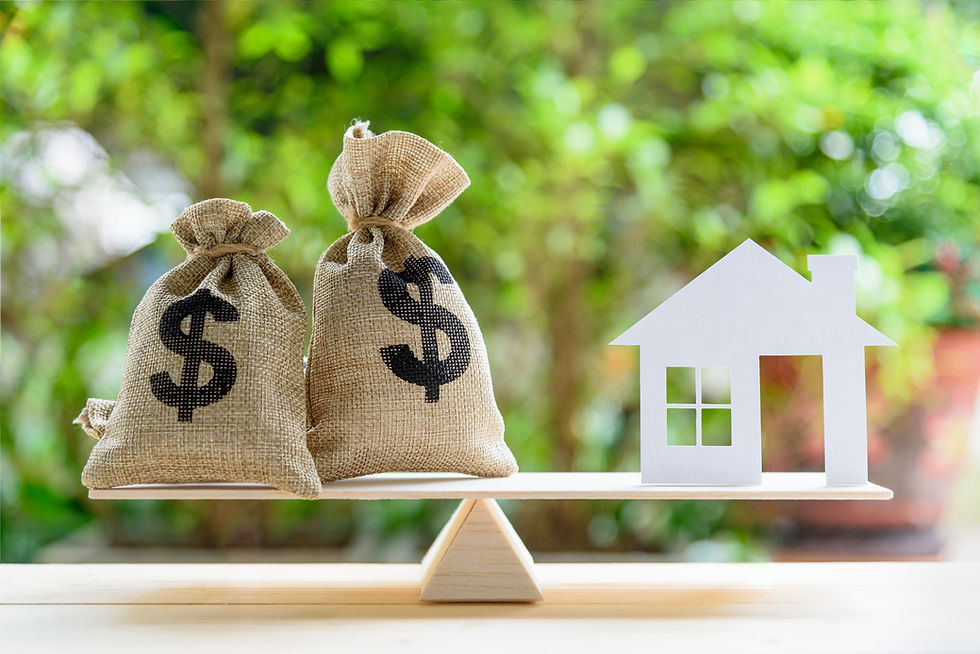
Design First for Better Remodeling Results
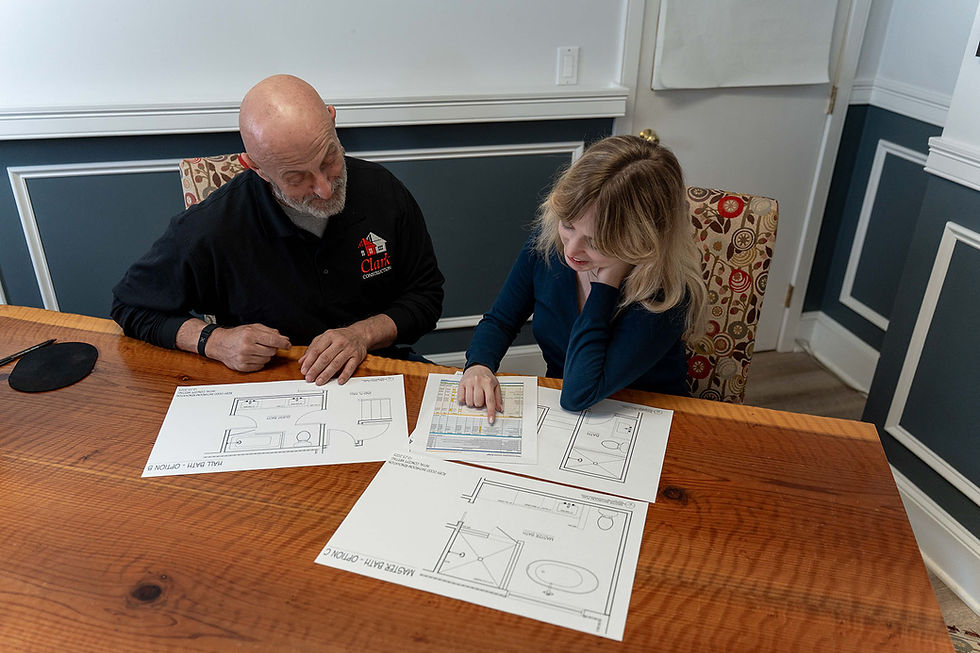
Highlights: Why a Design-First Approach Works
Clarity before commitment so you fully understand your project
Accurate budgeting with real-time cost insights
More design options without pressure to rush decisions
Fewer surprises during construction
Stronger collaboration between you and your team
Better long-term value for your home
Confidence in every decision before building begins
Why We Start With Design First
When you’re planning a home renovation, it’s natural to want to jump straight into construction. After all, that’s when things start to feel real.
But here’s the truth. The success of your project is determined long before the first hammer swings.
At Clark Construction, we separate the design phase through a dedicated Design Agreement because we know that thoughtful design and planning leads to better outcomes. It’s not about slowing things down. It’s about setting your project up for success from the very beginning.
Let’s take a closer look at why investing in design first is one of the smartest decisions you can make for your home.

Great Projects Start With Thoughtful Planning
Every home is different. Every homeowner has a unique vision, lifestyle, and set of priorities.
The design phase gives you the space to explore all of that.
Instead of rushing into construction with rough ideas, you get the opportunity to:
Explore multiple design options
Refine layouts and architectural details
Evaluate materials, finishes, and fixtures
Align your vision with your investment range
This is where your project truly takes shape.
And just as important, it’s where potential challenges are identified and solved before they ever become costly issues during construction.
A Process That Adapts to You
No two homeowners move at the same pace, and your design experience should reflect that.
Some clients come in with a clear vision and make decisions quickly. Others want to explore every option, compare materials, and revisit ideas as they evolve.
Our design-first approach supports both.
You might finalize your selections in a single meeting. Or you might take time to review samples, adjust layouts, and fine-tune every detail over several weeks.
Either way, you’re never rushed.
Because when construction begins, you should feel confident that every decision is exactly right for your home.
Visualizing Your Project Before You Build
One of the biggest advantages of a design-first approach is the ability to actually see your project before construction begins.
For many homeowners, this is a game changer.
We often develop tools like:
3D renderings that bring your space to life
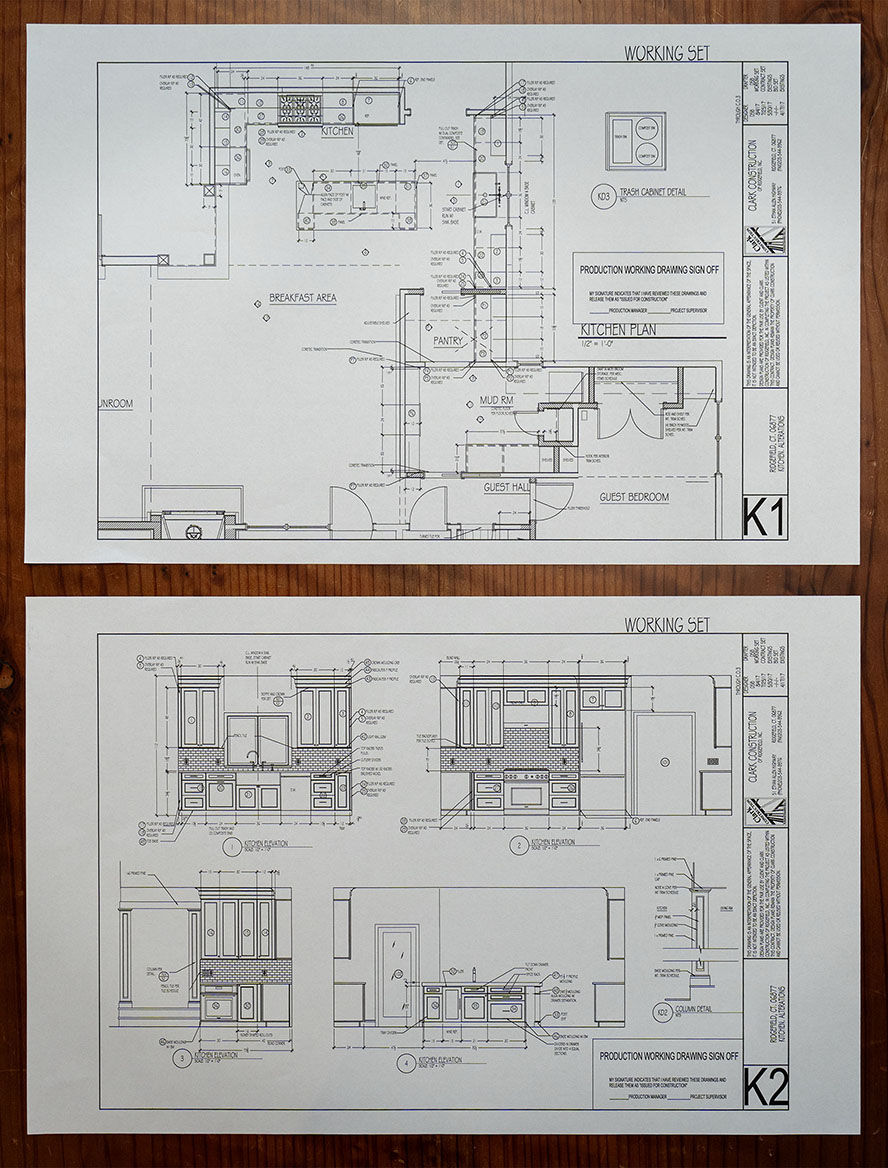
Detailed architectural drawings
In-home layout mockups to test functionality
These aren’t just nice-to-have features. They play a critical role in helping you:
Understand how your new space will feel
Evaluate design choices in real context
Make confident decisions with fewer second guesses
It’s much easier to adjust a layout on paper than it is to move walls during construction.


Real-Time Pricing Creates Real Control
One of the most common concerns homeowners have is staying on budget.
That’s where design-first truly shines.
During the design phase, pricing is developed and refined alongside your selections. This means you’re not waiting until construction to find out what things cost.
Instead, you gain real-time insight into how your choices impact your investment.
This allows you to:
Prioritize where to invest more
Scale back in areas that matter less
Compare options with clear cost differences
Make decisions based on value, not guesswork
You stay in control from start to finish.
And that level of transparency builds trust, reduces stress, and leads to better overall results.
Minimizing Surprises During Construction
Unexpected issues are one of the biggest reasons projects go over budget or fall behind schedule.
A design-first process helps prevent that.
By working through the details upfront, we can identify potential challenges early and develop solutions before construction begins.
That includes:
Structural considerations
Material availability
Layout functionality
Code requirements and permitting
The more decisions that are made during design, the smoother the construction phase becomes.
And that means fewer interruptions, fewer changes, and a more predictable experience for you.
Better Collaboration, Better Results
Design isn’t something that happens in isolation. It’s a collaborative process between you and your team.
When you invest time in design first, you create space for meaningful conversations about your home.
We get to understand how you live, what’s important to you, and how your space can better support your daily life.
You get to ask questions, explore ideas, and feel fully involved in the process.
This collaboration leads to:
More personalized design solutions
Better alignment between vision and execution
Stronger communication throughout the project
The result is a home that doesn’t just look beautiful, but truly works for you.

Why Design First Saves Time in the Long Run
It might seem like adding a design phase would extend your project timeline.
In reality, it often does the opposite.
When decisions are made upfront, construction moves faster and more efficiently. There are fewer pauses for clarification, fewer last-minute changes, and fewer delays caused by uncertainty.
Think of it this way.
Time spent planning is time saved building.
And that leads to a smoother, more enjoyable experience from start to finish.
The Value of Confidence
At the end of the day, one of the biggest benefits of a design-first approach is confidence.
You’re not making rushed decisions under pressure. You’re not guessing how something will turn out.
You’re moving forward with clarity.
You know what your space will look like. You understand the investment. And you feel confident in every choice you’ve made.
That confidence is what transforms a renovation from stressful to rewarding.
Our Philosophy: Clarity, Transparency, and Craftsmanship
We believe that great construction starts with great design.
By separating the design phase through a Design Agreement, we create a process that prioritizes clarity, communication, and craftsmanship.
It’s a smarter, more thoughtful way to approach your renovation.
And it’s one of the reasons our projects consistently deliver results that homeowners love.
Frequently Asked Questions About Design-First Remodeling
1. What is a design-first approach in remodeling?
It’s a process where all planning, layouts, and selections are completed before construction begins, ensuring clarity and better results.
2. Why is design separated from construction?
Separating design allows for focused planning, accurate pricing, and better decision-making without the pressure of construction timelines.
3. Does investing in design increase overall project cost?
Not necessarily. In many cases, it helps prevent costly changes during construction, which can actually save money.
4. How long does the design phase take?
It varies depending on the project and your decision-making pace. Some clients move quickly, while others take more time to explore options.
5. Can I make changes during the design phase?
Absolutely. That’s the best time to make adjustments before anything is built.
6. What happens after the design phase is complete?
Once design is finalized, construction begins with a clear plan, schedule, and budget.
7. Will I see what my project looks like before building?
Yes. Tools like 3D renderings and drawings help you visualize your space before construction starts.
8. How does design-first help with budgeting?
You receive real-time pricing updates, allowing you to make informed decisions based on your investment goals.
9. What if I don’t know what I want yet?
That’s completely normal. The design phase is meant to help you explore ideas and discover what works best for your home.
10. Is this process better for large renovations only?
No. Projects of all sizes benefit from thoughtful planning and clear design.
11. Can I rush through the design phase if I’m ready?
Yes. If you have a clear vision, the process can move quickly.
12. What if I change my mind after construction starts?
Changes are still possible, but they can be more costly and time-consuming, which is why finalizing design upfront is so valuable.
13. How does design-first improve construction timelines?
With fewer unknowns and decisions needed during construction, the building phase runs more efficiently.
14. Will I work with the same team throughout the project?
Yes. A consistent team ensures better communication and continuity from design through construction.
15. What makes this approach different from traditional remodeling?
Traditional approaches often overlap design and construction, which can lead to uncertainty. Design-first creates clarity before building begins.