Why A Whole House Water Filter Is Something You Won’t Want To Live Without
- Aug 19, 2025
- 6 min read
Updated: Aug 22, 2025
One of the easiest ways to take control of your health is to control the water coming into your house. Make sure the water you are drinking, and bathing in, and your indoor air is clean!
Unless you are getting your water from a well that is located 800 feet or more below the ground surface, chances are your water has been contaminated by some, if not many, toxic substances that have been dumped into the ground soil over the past few decades. So, when you help yourself to a glass of water from your kitchen faucet, it may look much more pure than it actually is.
While all forms of tap water naturally contain minerals and other substances, harmful contaminants can be hazardous to the health of everyone in your family. They have been linked to a variety of health issues, including gastrointestinal illness, reproductive problems, cancer and neurological disorders.

While the government sets some standards for what's "ok" to be in your water, there are many contaminants that are unregulated including heavy metals, prescription drugs, pesticides, herbicides, and hormones and industrial solvents.
You may not want these things in your body, and may prefer a lower level of regulated contaminants than what the government allows. Whether your water comes from a well or from a municipal system, for these reasons alone, a whole house filter may be the best home improvement you can make.
Why Filter?
The health benefits of filtering are really worth it, plus it's just great to have the cleanest, best-tasting water possible and the peace of mind that comes from knowing that you are treating your body and your family's bodies as well as possible.
Here are the top 5 reasons why people get whole house filters:
1. For Improved Water Quality, Taste & Odor
Who doesn't want to drink water that smells and tastes great? Water without chlorine and other chemicals in it (such as those often found in well water) tastes and smells great. A whole house filter can remove 97% of chlorine in regular tap water, as well as sediment and odor.

We are 60% water. Drinking it is good for us, and bottom line, that is much easiest to do when it tastes good. Plus, professional chefs and home chefs alike know that using filtered water produces stronger flavors, quicker cooking times and all-around optimal results in the kitchen.
2. For Softer Skin & Hair; Less Wrinkles and Split Ends!
Your skin's health and appearance will likely reflect the quality and quantity of water you drink and bathe in. Chlorine strips the natural protective oils from the skin, and dry skin can lead to blemishes and the development of wrinkles. Hair is made up of 5% water and has 95% protein, and chemicals like chlorine can cause excess drying and frizz, as well as breaking down proteins and causing split ends. Dry hair can be coarse, static and prone to tangles and breakage.

For these reasons, spa-quality healthier water that has gone through a whole house carbon filter to filter out a wide range of chemical and organic contaminants is good for softer skin, smoother hair and healthier lungs; a more beautiful you, inside and out.
3. For Improved Health
Most municipal water contains disinfection byproducts, formed when chlorine mixes with organic compounds. These DBPs are linked to cancer and reproductive outcomes.

The gross things in unfiltered water are absorbed through your skin; it is like a sponge for airborne and water based toxins, with warm or hot water maximizing skin absorption levels of toxins. It's reported that a seven-minute shower exposes you to more chlorine, DPBs, and VOCs than drinking a gallon of tap water, with only five percent of all volatile organic compounds making it down the drain of your shower. The other 95 percent are either absorbed through your skin, or are sent into the air you breathe, posing a health threat to your lungs.
Most towns also add fluoride during water treatment, and it occurs naturally in well water. Surprisingly, countries that fluoridate do not have less tooth decay than those who do not, and the negative side effects of drinking flouritdated water are overwhelming.

In the US, the CDC reports that 41% of kids from 10 -12 have dental flourosis, an overexposure condition.

Consumption of fluoridated water has been linked to reduced IQ in children, an increased risk of osteosarcoma, a form of bone cancer, and there are only risks and not benefits for infants to consume fluoride. Most developed nations, including Japan and 97% of Western European countries, have long since removed fluoride from their water supplies.
So for folks with town water, there are truly compelling health reasons for filtering the water for your family's health.
For those of you with well water, it is interesting to know that a local company reports that they find coliform in 28% of the samples of water they test. Most coliform will not likely cause illness, but their presence indicates that disease causing organisms (pathogens) could also be in the water. The presence of some types of coliform signal the presence of feces or sewage waste, which is usually the source of disease causing pathogens in water. E-coli is a subgroup of fecal coliform, and some strains are a serious illness risk. Definitely something to avoid.
4. To Decrease Water Hardness
When hard water is used in the home, it interferes with virtually every cleaning task, from bathing and personal grooming to dishwashing and laundering. Whether you use soap or a synthetic detergent, hard water increases the amounts of cleaning agent needed, and produces poorer cleaning results.
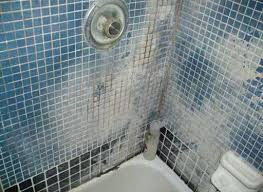
When your water is too hard, a film of sticky soap scum remains on the skin, which prevents the skin returning to its normally slightly acidic condition. Additionally, the soap scum can retain particles of soil and bacteria, which may lead to irritation and infection. Soap residue on hair makes it dull, lifeless and difficult to manage and arrange.
Additionally, hard water allows for the build up of minerals in and on your shower head.

Even when synthetic detergents are used in dishwashing and laundering, hardness interferes. The active ingredient in the detergent mixture is partially inactivated by hardness. When the water is hard, the alkaline "builders," which are added to the detergent mixture to cut greases and oils, can react with them to form soap, and in turn produce soap scum.
5. To Reduce Staining and Corrosion
Staining often results when water is acidic and eats away at the metals in the plumbing pipes. In our area of the country we often see blue stains from copper pipes

and iron stains. Both can be resolved with a whole house filter.

Additionally your appliances will last longer when they aren't being corroded from the inside out, and when scaling is reduced. Reduce your repair bills!
How to Know What's in Your Water
The best way to know what's in your water is to have it tested. Wells should be tested at least once a year. If you have experienced bacteria problems in the past, it is recommended that you test your well more frequently for bacteria.
We can arrange for water testing at The National Testing Laboratories; we have negotiated a significant discount due to our testing volume. If you don't know what's in your water, or haven't had it tested in a while, we recommend the following two tests. They are excellent for determining if a treatment system might be needed or if an existing filtration or softening system is working properly.
For Well Water, we recommend the comprehensive "Watercheck with Pesticides Option"
This test analyzes 107 items including Bacteria (presence/absence for Total Coliform and E.Coli), 22 heavy metals and minerals (including lead, arsenic, uranium, and mercury), 7 other inorganic chemicals (including nitrates and fluoride), 5 physical factors (including pH, Total Dissolved Solids and Hardness), 4 trihalomethanes (disinfection by-products), 47 volatile organic chemicals (including MTBE, PCE and TCE) and 20 pesticides, herbicides and PCBs (including Dieldrin, Atrazine and Heptachlor).
If you are on Town Water, we recommend the comprehensive "City Check Deluxe".
This package covers contaminants which are likely to be found in municipal drinking water supplies as well as pesticides and herbicides. This includes 20 metals/minerals, 7 inorganic compounds, 4 physical characteristics, 16 disinfectants and disinfection by-products and 47 volatile organic compounds, 20 pesticides, herbicides and PCBs.
Two other tests that we use frequently: Problem Check and Corrosion check.
Problem-Check (iron problems) analyzes water for the 20 most common nuisance contaminants. Checks for total and dissolved iron, iron bacteria. and contaminants that can cause aestetic problems such as odor, taste or discoloration.
Corrosion Check (blue/green staining in the sinks and/or bathtubs or if pinholes are forming in your copper pipes) analyzes the water for various contaminants and physical characteristics of the water which can affect corrosion. Checks for copper and lead as well as checks for other corrosion related contaminants.
Whole House Filters
So in summary, a whole house filtering sytem is likely to improve your health whether you have well or town water, since toxins from water are absorbed through your skin and lungs as well as when you drink it.
Whole House Filters
So in summary, a whole house filtering sytem is likely to improve your health whether you have well or town water, since toxins from water are absorbed through your skin and lungs as well as when you drink it.
Whole house filter = Better Taste. Clarity. Less Toxins. Less Bacteria. Better ph....A more healthy and beautiful you.


