Own a Historic Home? Lucky You.
Updated: Apr 2
Owning a historic home is something special. There’s character in every corner, craftsmanship you can’t replicate, and a story that’s been unfolding long before you arrived.
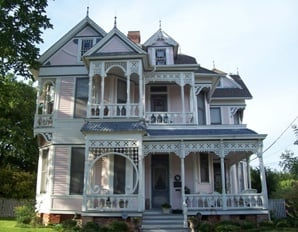
But let’s be honest. Along with that charm comes quirks, outdated systems, and spaces that don’t quite fit modern life.
The good news? With the right plan and the right team, you don’t have to choose between preserving history and enjoying comfort. You can have both.
Quick Highlights: What to Know Before Remodeling a Historic Home
Preserve original features whenever possible for authenticity and value
Blend modern convenience with timeless design choices
Prioritize structural integrity before cosmetic upgrades
Update plumbing, electrical, and HVAC systems for safety and efficiency
Improve layout and flow while respecting the home’s character
Address hazardous materials like lead and asbestos early
Work with a design-build team experienced in historic renovations
Plan for unexpected discoveries and build flexibility into your budget
Why Remodeling a Historic Home Is Worth It
There’s a reason people fall in love with older homes.
It might be the hand-crafted millwork, the original hardwood floors, or the way natural light pours through oversized windows. These details create warmth and personality that newer homes often lack.
A thoughtful renovation allows you to:
Preserve irreplaceable architectural elements
Improve functionality for today’s lifestyle
Increase comfort, safety, and efficiency
Add long-term value to your home
Here’s why that balance matters. You’re not just renovating a house. You’re continuing its story.
What Should You Save and What Should You Replace?
This is often the first big decision and one of the most important.
What’s Worth Preserving
Historic homes are filled with features that deserve to stay:
Original hardwood flooring
Decorative moldings and trim
Solid wood doors
Built-in cabinetry
Staircases with detailed craftsmanship
Unique windows and architectural details
These elements give your home its identity. Whenever possible, restore rather than replace.
What Should Be Updated
Not everything ages gracefully. Some systems simply aren’t built for modern living:
Outdated plumbing systems
Old electrical wiring
Inefficient insulation
Rotted or compromised framing
Replacing these isn’t just about convenience. It’s about safety and long-term performance.
Here’s the key.
Preserve what adds character. Replace what puts your home at risk.
Reimagining the Layout Without Losing Character
Many historic homes were built for a different way of living. Smaller kitchens, closed-off rooms, and limited storage were the norm.
Today, your needs are different.

Improving Flow
A smart remodel looks at how your home functions as a whole. That might include:
Opening up walls to create better sightlines
Expanding kitchens for gathering and entertaining
Adding bathrooms or reconfiguring existing ones
Improving circulation between rooms
Respecting the Original Design
While making these updates, it’s important to maintain architectural integrity.
That means:
Matching materials and finishes
Preserving focal points like fireplaces or staircases
Ensuring additions blend seamlessly with the original structure
When done right, your home feels both refreshed and authentic.
Addressing Structural Realities
Let’s take a closer look at what’s happening behind the walls.
Historic homes often show signs of age:
Sloping floors
Cracked plaster
Doors that don’t quite close
Sometimes, these quirks are part of the charm. Other times, they signal deeper issues.
When to Take Action
You’ll want to investigate:
Foundation stability
Water intrusion or leaks
Structural framing integrity
If major issues are present, they should be addressed early in the process. It’s far easier and more cost-effective to resolve them before finishing work begins.
The good news? Even significant repairs can be handled in phases, making the process more manageable than you might expect.
Modernizing Plumbing and Electrical Systems
This is where your home truly begins to function like a modern space.
Plumbing Upgrades
Older pipes, especially cast iron or galvanized steel, can lead to:
Reduced water pressure
Corrosion and blockages
Potential leaks
Updating your plumbing ensures reliable performance and protects your home from future damage.
Electrical Improvements
Electrical systems in historic homes often fall short of today’s standards.
Upgrades may include:
Rewiring outdated systems
Adding outlets for modern convenience
Improving grounding and safety
Increasing service capacity
These changes make your home safer and far more functional for everyday living.
Enhancing Comfort With Updated HVAC Systems
Comfort is something many older homes struggle with.
Drafty rooms, inconsistent temperatures, and outdated systems can make daily life less enjoyable.
What a Renovation Can Fix
Install high-efficiency HVAC systems
Improve insulation throughout the home
Replace or restore windows for better performance
Eliminate hot and cold spots
The result is a home that feels just as good as it looks.
And yes, you’ll likely see lower energy bills too.
Dealing With Old House Hazards
Historic homes can come with hidden risks.
Common Concerns
Asbestos: Found in insulation, flooring, and other materials
Lead paint: Common in homes built before the late 1970s
Lead pipes: Potential health hazard
What to Do
Professional testing is essential. If hazardous materials are present, certified specialists can safely remove or contain them.
This step isn’t optional. It’s critical for protecting your family and your investment.
Fixing Past Mistakes and Poor Additions
Over the years, many historic homes have been altered in ways that don’t quite fit.
You might see:
Additions that don’t match the original style
Awkward rooflines
Inconsistent materials
The good news? These can often be corrected.
A thoughtful remodel can:
Remove or redesign mismatched additions
Restore architectural harmony
Improve both appearance and functionality
Done right, it’s like giving your home a second chance to shine.
Planning for the Unexpected
Here’s something every historic homeowner should know.
Surprises are part of the process.
Once walls are opened, you may uncover:
Hidden structural issues
Outdated wiring
Water damage
That’s why it’s important to:
Build contingency into your budget
Work with an experienced team
Stay flexible throughout the project
A well-planned renovation anticipates the unknown and adapts with confidence.
The Value of a Design-Build Approach
Remodeling a historic home isn’t a typical project.
It requires coordination, expertise, and a deep understanding of both design and construction.

Why Design-Build Works
With a design-build team, you get:
A single point of contact
Seamless communication between design and construction
Better alignment on budget and timeline
Fewer surprises along the way
Most importantly, you get a team that understands how to honor your home’s history while bringing it forward.
Bringing It All Together
Remodeling a historic home takes vision, patience, and the right partnership.
But the reward is something truly special.
You end up with a home that:
Reflects your lifestyle
Preserves its unique character
Feels comfortable, safe, and efficient
It’s not just a renovation. It’s a transformation that respects the past while embracing the future. Enjoy the journey.
Frequently Asked Questions About Historic Home Remodeling
1. Is it more expensive to remodel a historic home?
Yes, it can be due to specialized labor, materials, and unexpected repairs, but the long-term value is often worth it.
2. Can I change the layout of a historic home?
Absolutely. Layouts can be improved while still preserving key architectural features.
3. Do I need special permits for historic renovations?
In some cases, yes. Local regulations may apply, especially in designated historic districts.
4. How do I know what features to preserve?
Focus on original materials and craftsmanship that define the home’s character.
5. Is it safe to live in a home during renovation?
It depends on the scope. For major renovations, temporary relocation may be recommended.
6. How long does a historic remodel take?
Timelines vary, but these projects often take longer due to complexity and attention to detail.
7. Can old windows be made energy efficient?
Yes. Restoration or selective replacement can improve efficiency while maintaining appearance.
8. What’s the biggest challenge in historic remodeling?
Balancing modern needs with preserving original character.
9. Should I replace old wiring completely?
In most cases, yes. It’s essential for safety and functionality.
10. How do I handle uneven floors?
They can be corrected structurally or embraced as part of the home’s charm.
11. Are additions a good idea for historic homes?
Yes, if designed thoughtfully to match the original architecture.
12. How do I budget for surprises?
Set aside 10 to 20 percent of your budget for unforeseen issues.
13. Can I modernize without losing charm?
Absolutely. The best designs blend old and new seamlessly.
14. What should I prioritize first?
Structural integrity and essential systems like plumbing and electrical.
15. Why hire a design-build firm for this type of project?
It ensures better coordination, fewer surprises, and a more cohesive final result.
If you are lucky enough to be the owner of an older home, whether it is treasure from colonial times, or a pre-World World II home that you treasure, there is likely remodeling and renovation in your future.